The mist hasn't lifted yet. It hangs between the brutalist towers across from my Belgrade apartment like cigarette smoke in a waiting room, diffusing the early light into something soft and indeterminate. I've learned the rhythm of these mornings now - the way the city emerges gradually from November's dampness, the paths through the housing estate slick with fallen leaves that have turned to a kind of paste underfoot.
I'm walking to get coffee, but really I'm walking to think. Or maybe to stop thinking. It's hard to tell anymore.
"You look troubled," Viktor says, falling into step beside me. He's appeared like this before, during my months in Belgrade, but this morning his presence feels different - less professorial, more companionable. As if he senses I need a witness more than a teacher.
"I'm exhausted," I tell him. "Not physically. Well, yes physically, but mainly... I don't know how to describe it."
We pass between two towers, their concrete facades streaked with water stains that look almost intentional, like some brutalist artist's conception of tears. The paths here wind through what was probably meant to be communal space - patches of grass, a few benches, a playground that's seen better decades. At this hour, it's just us and the mist.
"Describe it anyway," he says.
The Weight of Creation
So I try. I tell him about the program I've been building these past months - Phenomenal Sobriety, this thing that's consumed me since late summer. How I'm only twelve voiceover recordings away from finishing. How some days that feels like nothing, and other days it feels like everything.
"I started with just an idea," I say. "This notion that recovery needed something different, something centred on meaning rather than just abstraction. And then I had to research it, write it, figure out how to make it sound like me rather than like every other recovery program out there. I had to choose platforms - do you know how many platform options exist for this kind of thing? Then configure them, learn them, adapt everything I'd written to work within their constraints."
Viktor nods. We've reached the edge of the estate now, where the path opens onto a wider street. The coffee shop is another ten minutes away, and I'm grateful for the distance.
"And the concentration it requires," I continue. "These focused hours, day after day. Some tasks are creative - writing new material, recording voiceovers, thinking about how to structure the journey. Others are just... tedious. Formatting. Checking links. Making sure every single detail is right. Both kinds drain you, but in different ways."
"Between stimulus and response there is a space," Viktor says quietly. "And in that space is our power to choose our response. In our response lies our growth and our freedom."
I know this quote. I've actually used it in the program itself. But hearing it now, in this context, something shifts slightly.
"The thing is," I say, "I chose this. I'm choosing it every day. But that doesn't make it easier."
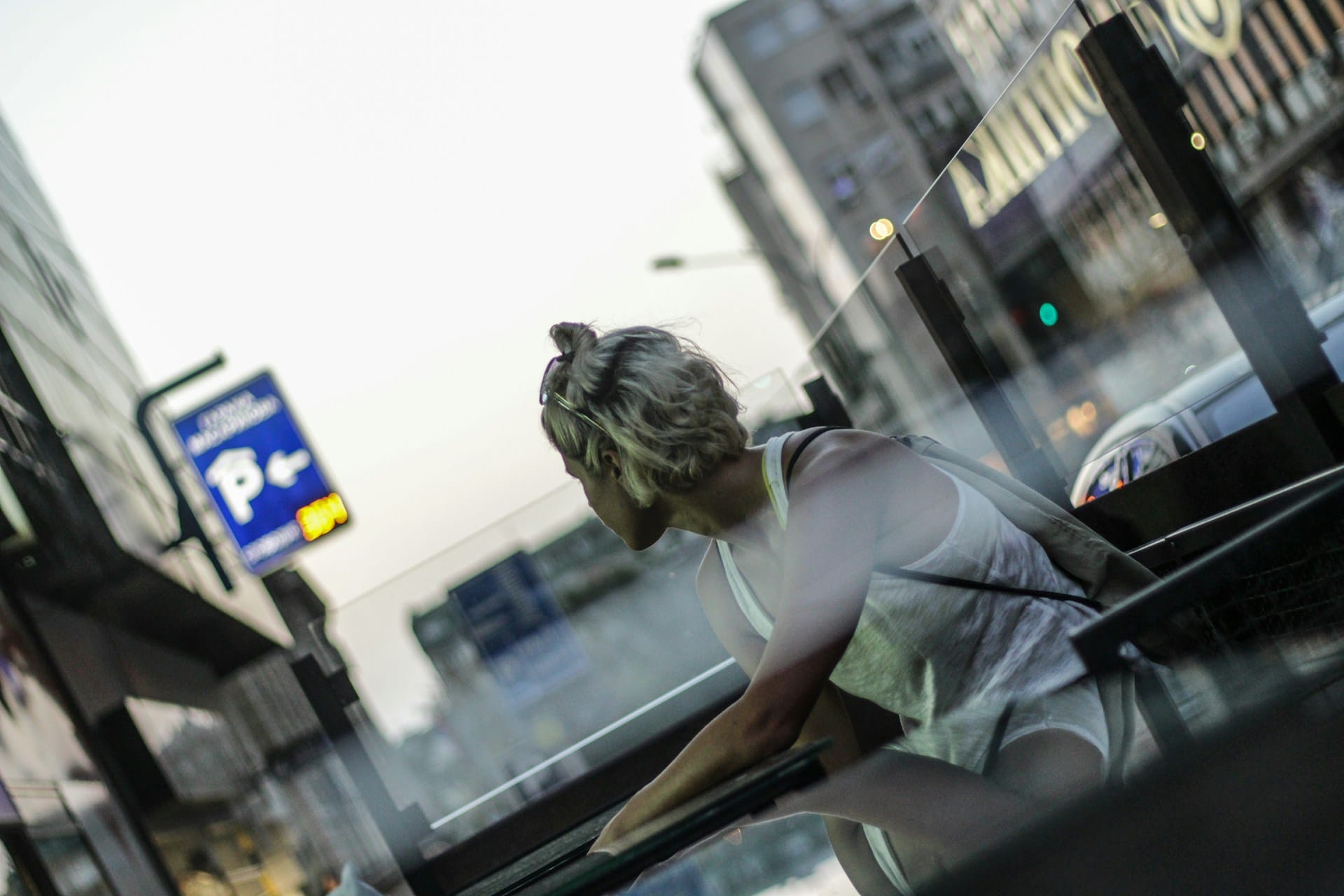
The Mirror of Recovery
We walk in silence for a bit. A few more people have emerged now - a woman walking a small dog, a man in a tracksuit jogging past us with the grim determination of someone who's made a promise to himself. The mist is thinning, but not much.
"You know what I realise?" I say. "This whole process - building this program - it's like a reflection of my own recovery. Not metaphorically. Literally."
Viktor raises an eyebrow, waiting.
"I'm doing this in a foreign country. I don't have my usual support systems here. I moved to Belgrade specifically for this project, to have the space and solitude to focus. And every challenge I've faced in building Phenomenal Sobriety... it's the same challenges I faced getting sober. The persistence required. The ability to sit with discomfort. The discipline to show up every day even when I don't want to."
"Especially when you don't want to," He corrects gently.
"Especially then. Yes." I think about the mornings I've woken up and immediately felt the weight of everything still undone. The animations, the editing. The community guidelines. The launch strategy. The constant hum of tasks that never quite silences.
"When I was drinking," I continue, "I couldn't have done any of this. Not just because of the alcohol itself, but because I couldn't have sustained the focus. I couldn't have held multiple threads in my mind simultaneously. I couldn't have balanced the creative work with the mundane repetition. I would have needed to escape from the pressure of it."
We've turned onto a street I don't usually take. Viktor seems to know where he's going, even though this is my city, not his. Or maybe he's just better at appearing purposeful than I am.
"And yet you worry no one will like it," he says. It's not a question.

The Fear That Follows
I suddenly feel exposed, though I shouldn't. Of course he knows this. It's the anxiety that wakes me up at 3am, that sits in my stomach while I'm recording voiceovers, that colours everything I'm creating.
"What if I've spent all these months building something that doesn't resonate with anyone?" The words come out faster now. "What if my approach is too intellectual, or not intellectual enough? What if people want the traditional twelve-step model and I'm just... too different? What if my story isn't compelling enough to anchor the whole thing?"
"What if, what if, what if," Viktor echoes, but not unkindly. "You are living in a future that does not exist, suffering for an outcome you cannot control."
"I know that. Intellectually, I know that."
"But emotionally?"
"Emotionally, I'm terrified."
We've reached a small park I've walked through before. There's a monument here - I've never bothered to read what it commemorates - and a few benches that are usually occupied by elderly men playing chess, or drinking, or both. Too early for them today. Viktor sits on one of the benches, and I join him.
"Tell me about the social media," he says.
I actually laugh, though it comes out bitter. "God. Yeah. That's the other thing. I have to promote this, right? I have to be visible. But the thought of it..." I trail off, watching the mist move between the trees. "I've spent eight years of sobriety becoming comfortable with solitude. With working quietly. And now I have to be loud, public, put myself out there in ways that feel completely antithetical to who I've become."
"Who you've become," Viktor repeats. "Or who you've been hiding as?"
The question lands like a stone in still water.
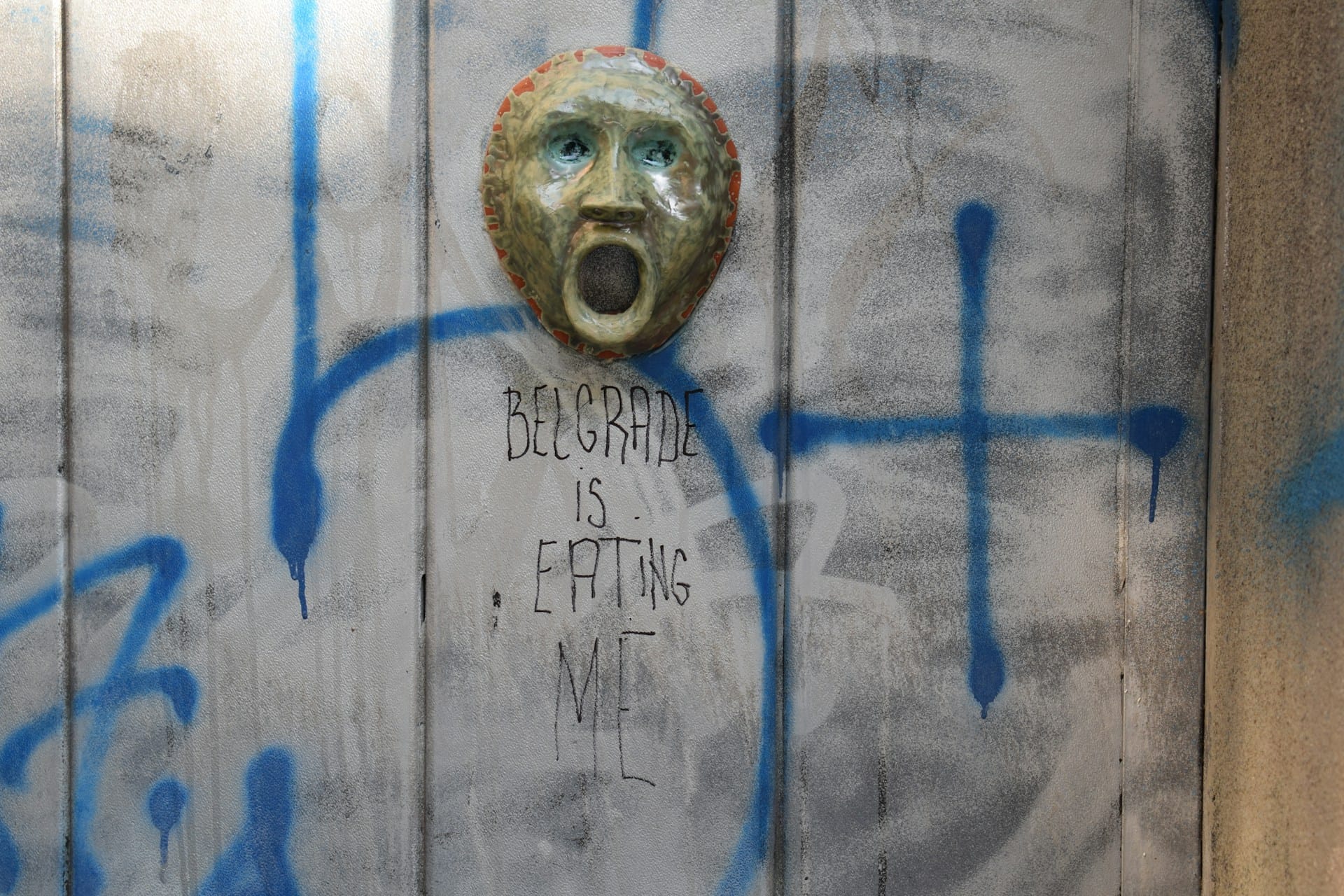
The Meaning in the Making
"That's not fair," I start to say, but he raises a hand.
"I do not mean it as criticism. But consider: you have built something beautiful, something meaningful, something that embodies your own journey and could illuminate the path for others. And now you are afraid to share it because... why? Because people might judge it? Because they might judge you?"
"Yes."
"And if they do?"
"Then I'll have failed."
"At what?"
I open my mouth to answer, but nothing comes. What would I have failed at, exactly? Creating something meaningful? No, I've already done that. The program exists. It's nearly complete. Only twelve voiceovers away from being done.
"When we are no longer able to change a situation," Viktor says, "we are challenged to change ourselves. But you are trying to control something you cannot control - the response of others. Instead of focusing on what you can control - the quality of your work, the integrity of your message, the authenticity of your sharing."
"Those things don't guarantee success."
"But they guarantee meaning," he says firmly. "Which is what you're actually building this for, is it not?"
The mist is lifting now, properly lifting. The brutalist towers behind us are becoming clearer, their edges sharp against the pale sky. I can see the coffee shop from here, just across the small run-down plaza ahead.
"I wrote that meaning is found in three ways," Viktor continues. "In creative work, in experiencing something or encountering someone, and in the attitude we take toward unavoidable suffering. You have done all three in building this program."
I think about this. The creative work is obvious - months of research, writing, recording, designing. The experiencing... yes, I've experienced Belgrade, experienced this isolation, experienced the daily choice to persist. And the suffering...
"The suffering isn't unavoidable," I interrupt. "I chose this."
"Ah, but the difficulty within the choice - that is unavoidable. You could not have known, when you started, exactly what this would demand of you. And yet you have continued. That attitude toward the unexpected challenges, the burnout, the doubt - that is where you have found meaning."
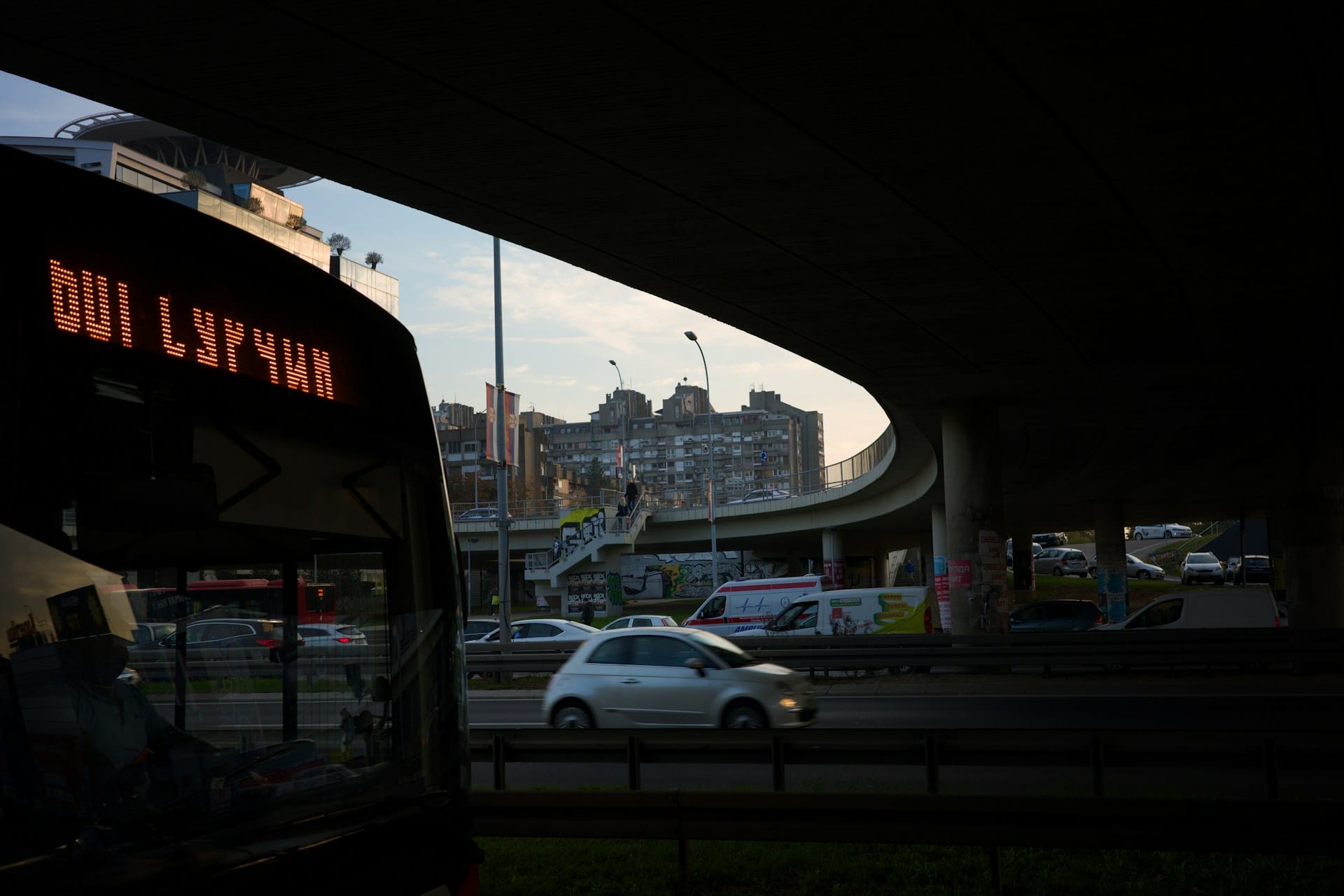
The Proof in the Process
We start walking again, toward the coffee shop. I can smell it now, the bitter-sweet promise of espresso cutting through the morning air.
"You said something earlier that struck me," Viktor says. "You said this process mirrors your recovery. Can you see that you are living proof of what you're teaching?"
"I'm not teaching anything yet. The program isn't even launched."
"You are teaching yourself, every day, that meaning-centred recovery works. Even under pressure. Even in isolation. Even through doubt." He stops walking and turns to face me fully. "David, you are demonstrating - to yourself, primarily - that the principles you've built this program around are not merely theoretical. They are sustaining you right now, in this moment, through this challenge."
Something loosens in my chest. Not relief, exactly, but recognition.
"The hours of concentrated work you've sustained," he continues. "The balance you've found between creative and mundane tasks. The ability to persist without numbing yourself through alcohol or any other escape. The willingness to sit with uncertainty about the outcome while still moving forward. These are not separate from your recovery - they are your recovery, actively demonstrated."
We've reached the coffee shop. Through the window, I can see the barista setting up for the day. A few other early risers are already inside, bent over their phones or laptops.
"And the fear?" I ask. "The anxiety about promoting it, about being visible?"
"That is the next challenge," Viktor answers simply. "The next opportunity to choose your response. You can avoid it, and the program remains private, safe, meaningless beyond your own experience. Or you can move through the discomfort and discover what happens when you share what you've built."
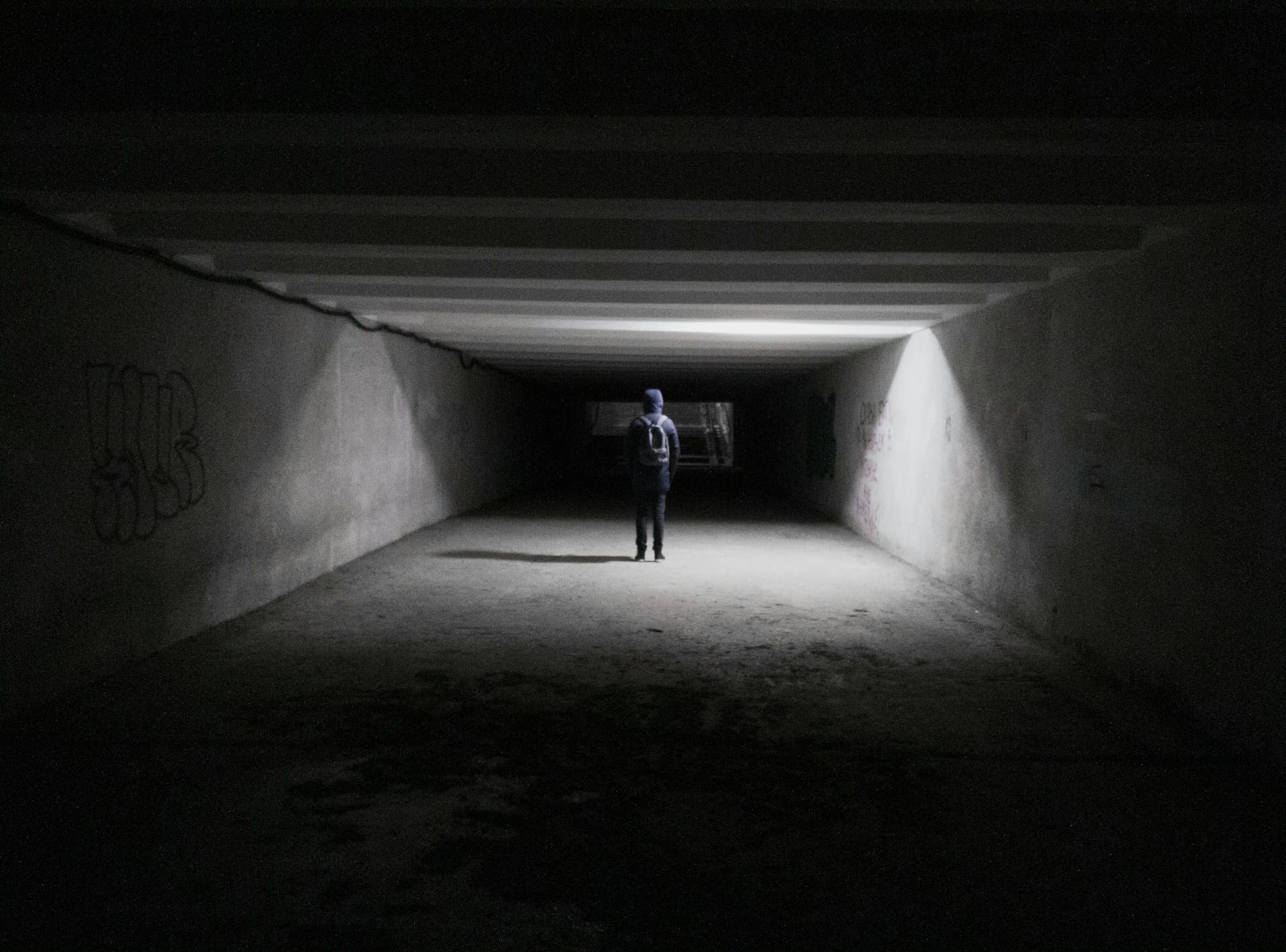
The Twelve Voiceovers
We go inside. I order my usual - a double espresso, two sugars and milk - and Viktor orders nothing, because, of course he doesn't. We sit by the window, watching Belgrade wake up properly now. The mist has burned off almost completely, leaving everything clear and cold.
"Twelve voiceovers," I say. "That's all that's left of the actual building. Then it's just... the launch. The promotion. The exposure."
"And you will do them," Viktor says. "One at a time. With the same persistence you've shown for months. Because that is who you are now - someone who finishes what he starts, even when exhausted."
"Even when terrified."
"Especially then."
I sip my espresso. It's bitter and hot and sweet, and exactly what I needed. Through the window, I can see the housing estate we walked through, the towers no longer shrouded but standing clear and solid in the morning light. They've been there for decades, weathering seasons, enduring. There's something comforting about that.
"You know what I haven't told you?" I say. "In two weeks, I'm driving back to Warsaw. Leaving Belgrade on the 27th, stopping in Przemyśl for a couple days to visit a museum I've been wanting to see, then home for the launch on January 15th."
"Home," Viktor repeats, smiling slightly. "Warsaw is home now?"
"It's my base. My happy place. Where this all makes sense." I finish my espresso. "But Belgrade... Belgrade gave me something else. The space to build this without distraction. The isolation that forced me to rely entirely on my own resources. The discomfort that proved I could handle it."
"Every city teaches us something," Viktor says. "If we are willing to learn."

A Walking Revelation
We leave the coffee shop and begin walking back toward my apartment. The route is different from how we came - Viktor leading us through streets I haven't explored yet, past shop fronts that are just beginning to open, past people beginning their days.
"I suppose I'm afraid," I say, picking up a thread from earlier, "that if the program fails - if no one connects with it - then I'll have wasted these months. All this work, all this struggle, for nothing."
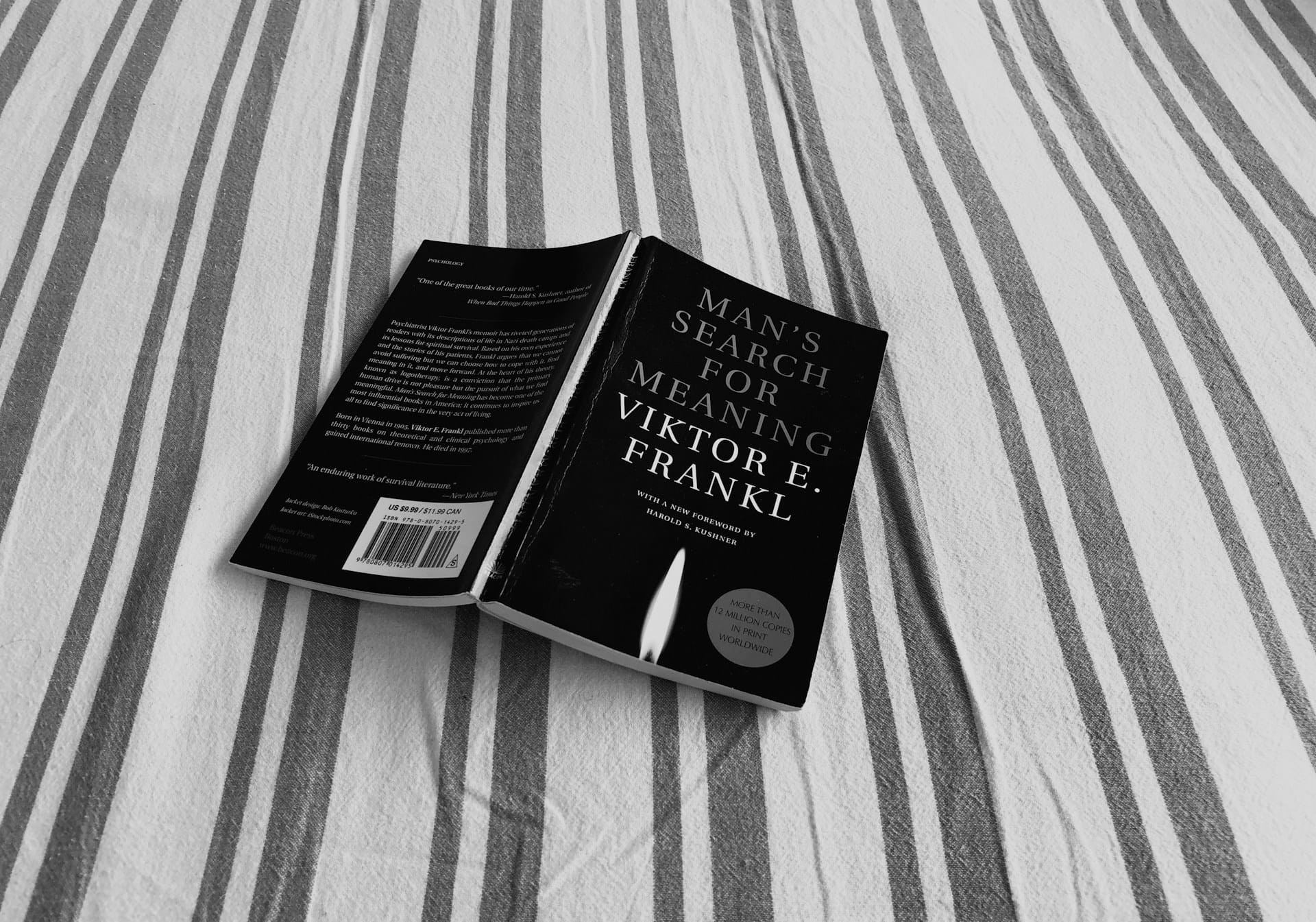
"'He who has a why to live can bear almost any how,'" Viktor quotes himself. "You know this, yes?"
"I use that exact quote in module three."
"Then you must know: your why is not whether the program succeeds. Your why is the meaning you've found in creating it, in living your recovery so fully that you could articulate it for others, in facing challenges sober that would have broken you when you were drinking. The program's reception - that is a how, not a why."
We're back at the housing estate now. The playground has a few children in it, their voices high and bright in the clear morning. An elderly woman sits on one of the benches, feeding pigeons from a paper bag.
"Every time I read your work," I tell Viktor, "I feel calm. Enlightened. Like things make sense in a way they don't when I'm just in my own head."
"That is not because of my words," he says. "It is because you already understand these things. You are already living them. My words simply give you permission to see what you already know."
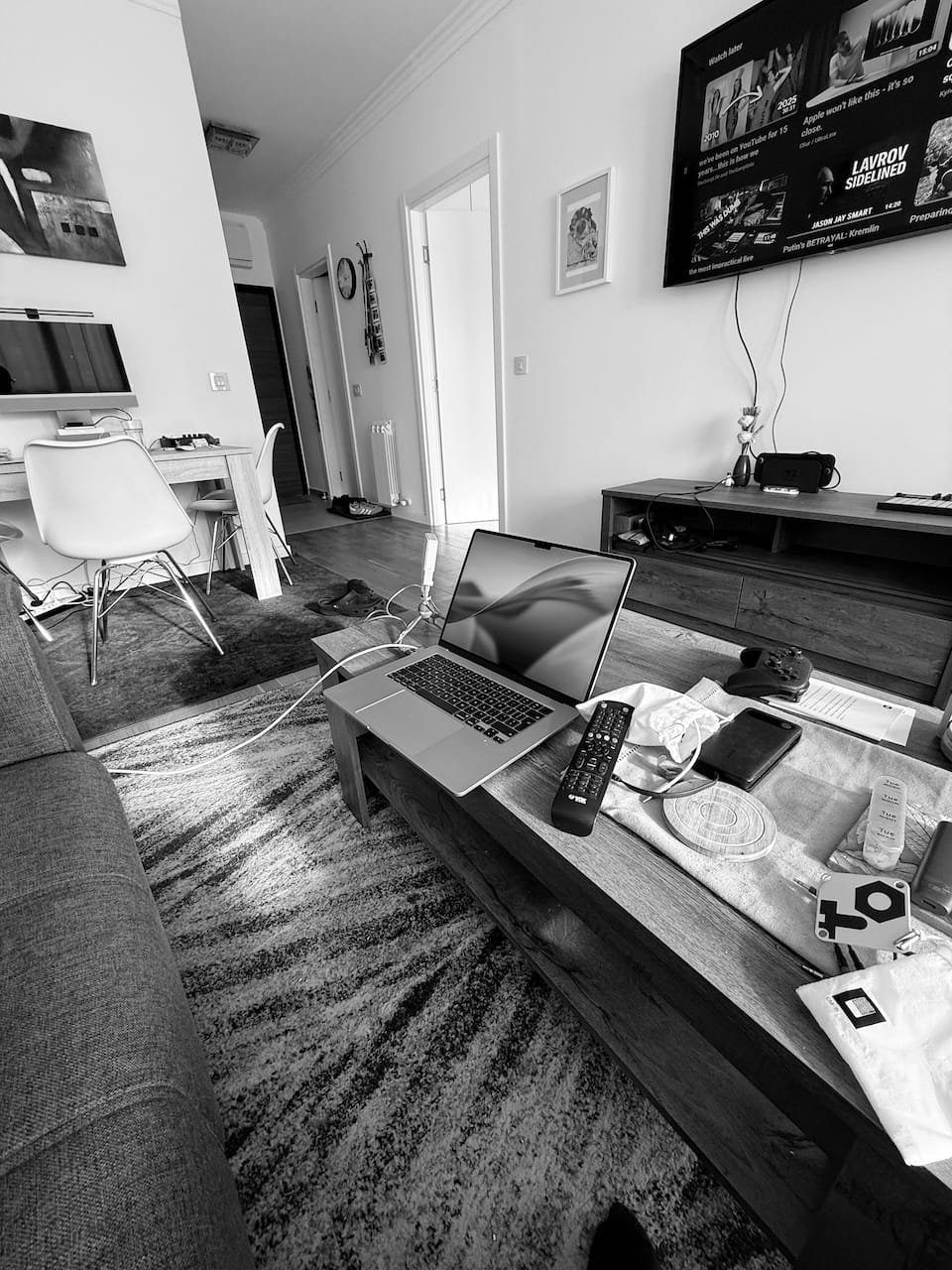
We've reached my building. I can see my balcony from here, the small table where I sometimes work when the weather's nice enough, the window to the room where I've recorded dozens of voiceovers and will record twelve more.
"Will you be here tomorrow?" I ask. "For another walk?"
Viktor smiles. "I am always here. You simply have to choose to walk."
The Walk Continues
He's gone then, in the way he always disappears - not dramatically, just a presence that's no longer present. I stand for a moment in front of my building, looking back at the path we took. The route is committed to memory now, another layer of Belgrade added to my internal map.
Upstairs, my laptop is waiting. The twelve voiceovers are waiting. The launch strategy, the social media anxiety, the fear of failure - all of it waiting. But also waiting: the program itself, this thing I've built that embodies everything I've learned about recovery, about meaning, about persistence.
I think about what Viktor said - that I'm living proof of what I'm teaching. That the process itself has been the demonstration. And I realise he's right. Not because the anxiety has disappeared or the work has become easier, but because I'm still here. Still showing up. Still choosing to move forward even through exhaustion and doubt.
That's what recovery looks like. Not the absence of struggle, but the ability to meet struggle without needing to escape from it. The capacity to hold discomfort and uncertainty while still taking the next step. The willingness to create something meaningful even when you can't control how it will be received.
I climb the stairs to my apartment. Outside my window, Belgrade continues its morning routine - buses grinding past, people walking to work, the city going about its business with or without my participation. In two weeks, I'll leave this place. But something of it will stay with me: the proof that I could do this, build this, sustain this, even here, even alone, even through the doubt.
The voiceover script is open on my computer. Number 67 of 78. I read through it once, twice, getting the rhythm right in my head. Then I press record.
Between stimulus and response, there is a space. In that space is our power to choose.
I choose to continue.
The walk was just a walk. The conversation might have been imagined. But the meaning - the meaning is real, earned through months of showing up, writing, building, persisting. That's what Viktor would say if he were here. That's what I would say if I could step outside myself long enough to see what I've actually accomplished.
Twelve voiceovers to go. And then the real test begins - not of whether I've built something worthwhile, but of whether I can share it despite the fear. Whether I can be as visible as I've been solitary, as public as I've been private.
But that's a walk for another morning. Today, there's just the work. The next voiceover. The next small step forward.
The mist has cleared completely now. The buildings stand sharp against a pale blue sky. And somewhere in Warsaw, my home base is waiting - the city where this will all launch, where the meaning I've found in building will meet the uncertainty of sharing.
I press record again. The work continues.
"Everything can be taken from a man but one thing: the last of the human freedoms - to choose one's attitude in any given set of circumstances, to choose one's own way."
Viktor E. Frankl,
Man's Search for Meaning
 David Henzell
 David Henzell